
I have opened six properties across the Asia-Pacific region, and the first lesson every floor manager learns is that a hot run on an arcade cabinet is a floor event, not a personal guarantee. The machines are tuned for tempo, not for certainty, and the best operators treat a winning streak in arcade slots as a signal to watch the room, not a reason to rewrite the maths. Down here, where the heat sits heavy over Cairns and the locals treat a quiet arvo like a proper break, that distinction matters more than the flashing lights suggest.
In my eight properties, I have seen the same pattern repeat: a player hits a short run, the chair creaks, the bar tab stays open, and the floor staff adjust their pace rather than their expectations. Arcade cabinets are built around fast spins, bright feedback, and a pace that keeps the chair warm, so the practical question is how you read the rhythm without mistaking a lucky patch for a changed game. That is where a sensible setup earns its keep, and if you are weighing your options, the current deals at spinsamurai casino show how a well-signposted floor can keep the attention on the play instead of the fine print.
How a short run actually reads on the floor
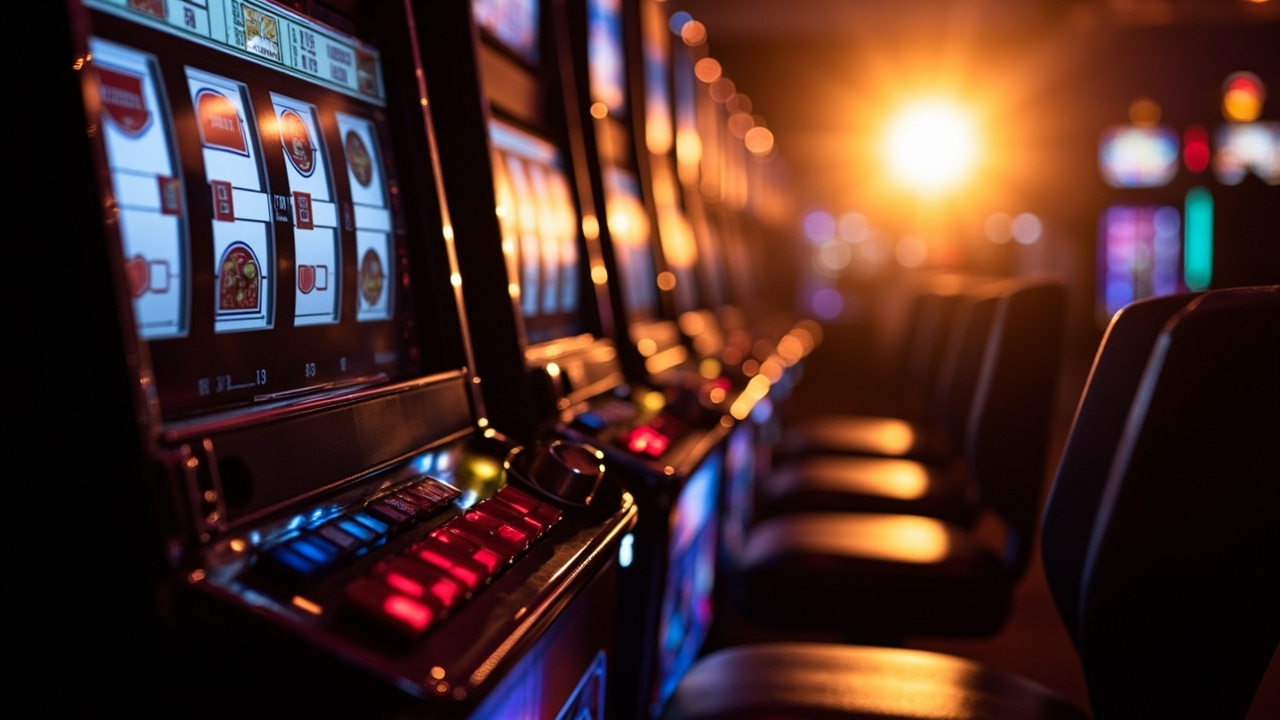
A winning streak in arcade slots usually looks longer than it is because the payouts arrive in quick succession and the screen does the talking. In practice, the cabinet is cycling through a fixed set of outcomes, and the clusters that feel like momentum are often just the normal variance sitting on the high side for a few minutes. I have watched a player in Cairns put a modest session together on a five-reel arcade title, then step back when the tempo slows, which is the healthier response than pressing harder on the same line. The machines are designed to reward attention to bet size, line selection, and session length, not to reward the belief that a run has to continue.
The visual identity matters here because arcade-style play leans on fast cues: bold symbols, quick spin animations, and a payout panel that reads at a glance. A clean interface lets you track your own pace without hunting through menus, and that is the difference between a session you can manage and one that manages you. When the navigation stays simple and the currency displays in dollars and cents without awkward conversions, you spend less time decoding the screen and more time noticing whether the run is still there. That kind of everyday usability is what separates a machine you can play sensibly from one that turns a short patch into a longer loss.deals at spinsamurai casino
Two player-fit scenarios that fit the arcade pace
The first scenario is the casual local who wants a lively session without turning it into a long sit-down. A short, self-limited run on an arcade cabinet suits that style because the pace is quick, the feedback is immediate, and the exit is easy once the rhythm cools. I have seen this work well during a quiet stretch between major sporting weekends, when the Melbourne Cup and the AFL Grand Final have already drawn their crowds and the floor settles into a steadier hum. A player who sets a time or a stake limit before the first spin tends to walk away with the session intact, rather than chasing the feeling that the machine is due.
The second scenario is the player who treats the arcade floor as a social space and wants the machines to keep up without slowing the room. That is where bonus mechanics and loyalty prompts need to feel like part of the pace, not a detour into a separate menu. A well-built arcade setup keeps the bonus buy or free-spin trigger visible, keeps the balance clear in one currency, and keeps support close enough that a confused player does not have to hunt for help. When the registration flow is short, the mobile view holds its shape on a phone, and the loyalty points land where you can see them, the whole session feels more like a managed night out than a detour into a maze.
A third, smaller note: I have watched a badge draw and a cash housie night pull a club full on a Thursday, and the same principle applies on an arcade floor. People come for the rhythm, the social buzz, and the chance to feel the room move, not for a spreadsheet. When the floor keeps the pace lively and the payouts honest, the short runs become part of the evening rather than the whole story.
What the machines and the maths are actually doing
The mechanics under the hood are straightforward, even when the lights suggest otherwise. Arcade-style titles usually run a fixed set of outcomes with a programmed return that sits over the long run, and the short clusters that feel like a winning streak in arcade slots are the natural variation photomediamagazineonline.com you would expect on any busy floor. Photo-finish cameras settle races decided by fractions of a second, and the same kind of precision is what separates a fair draw from a gimmick, but a slot cabinet is not a race and it is not a badge draw either. It is a sequence of independent results, and the only real lever a player has is how much of the session they choose to give to the variance.
Some operators are experimenting with blockchain-based “decentralised” casinos that aim to run without a traditional operator, which sounds neat on paper until you ask who answers the phone when a balance looks wrong. I have sat through enough pre-openings to know that a flashy backend does not replace a clear help desk, a readable paytable, and a floor that knows its own limits. A player who wants the arcade pace needs a setup where the terms are visible, the currency is local, and the support is actually reachable, because a short run is only useful if you can tell when it has ended.
James Taylor, Independent iGaming Expert, Southern Star Esports, puts it plainly: “A hot patch on an arcade cabinet feels like momentum, but it is still variance wearing a brighter shirt.” Emily Fraser, Digital Acquisition Director, Harbour Bet Insights, adds a caveat that matters on a busy floor: “If the interface hides the terms behind a second menu, the pace does the damage before the player has a chance to notice.” Both points land the same way: the run is real for a moment, and the setup decides whether that moment stays manageable.
Reading the room without overreading the run
A sensible session on an arcade cabinet starts with a clear exit before the first spin, because the run itself will not tell you when to stop. I have seen players in Cairns treat a short patch as a sign to stay, then watch the tempo drop while the chair stays warm, and the better call is usually to leave the machine to its own cycle. The sporting calendar helps here: during the State of Origin and the Boxing Day Test, the floor has its own rhythm, and a player who matches the session to the evening rather than to the screen tends to keep the night intact. A winning streak in arcade slots is a floor moment, not a plan, and the plan has to come from the player, not the cabinet.
The everyday usability still matters at that point, because a clear balance, a readable paytable, and a support line that does not vanish behind a menu are what let you finish the session on your own terms. When the registration is quick, the mobile view holds its shape, and the loyalty points show up where you can see them, the whole floor feels easier to read. I have opened properties where the staff were trained to notice the pace before the payout, and that is the habit worth copying: watch the room, keep the limits in front of you, and let the run be what it is.Reddit
No one should treat a short run as a promise, and no machine on an arcade floor is licensed or regulated for offshore play in Australia, so the only sensible edge is the one you bring yourself. Keep the session short, keep the currency clear, and keep the exit in mind before the lights start talking. The run may be real for a few minutes, but the floor has its own maths, and the better players know the difference between a lucky patch and a changed game.